
Parenting Stress Management Tools: Tools for Moms to Ease Mental Load

Managing the mental load of motherhood can feel overwhelming. You juggle schedules, meals, appointments, and emotional needs all at once. It’s easy to feel like your brain is constantly running on overdrive. But there are ways to lighten this load. Using the right tools can help you organize, prioritize, and delegate tasks. This frees up mental space and energy for what truly matters. I want to share practical strategies and tools that have helped me and many others ease the mental load of parenting.
Understanding Parenting Stress Management Tools
Parenting stress management tools are designed to help you reduce the mental clutter that builds up daily. These tools focus on organizing your responsibilities and creating systems that work for your unique family life. They can be digital or physical, simple or complex, but their goal is the same: to help you carry less in your mind.
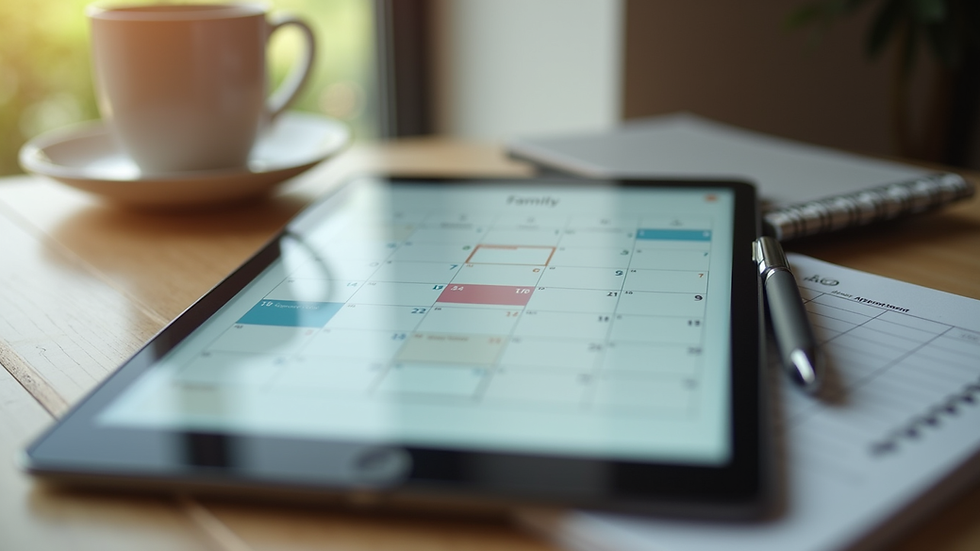
For example, a shared family calendar app can keep everyone’s schedules visible and reduce the need to remember every detail. Meal planning apps or templates can simplify grocery shopping and cooking decisions. Even a simple notebook dedicated to to-do lists can make a big difference.
Using these tools consistently helps you avoid last-minute scrambles and forgotten tasks. It also reduces the mental energy spent on trying to remember everything. This is especially important for driven women and mothers who balance leadership roles and family life. You need clarity and calm to lead effectively both at home and work.
Practical Tools to Organize Your Day
Here are some practical tools that can help you organize your day and ease your mental load:
Digital Calendars: Google Calendar or Apple Calendar allow you to set reminders, share schedules with family members, and color-code events. This keeps everyone on the same page.
Task Management Apps: Apps like Todoist or Microsoft To Do help you break down big projects into smaller tasks. You can prioritize and check off items as you complete them.
Meal Planning Templates: Use printable meal planners or apps like Paprika to plan weekly meals. This reduces the daily stress of deciding what to cook.
Grocery List Apps: Apps like AnyList let you create and share grocery lists. You can add items as you think of them, so you never forget essentials.
Routine Charts: Visual charts for kids’ morning and bedtime routines help them take responsibility and reduce your mental reminders.
These tools work best when you make them part of your daily habits. Set aside a few minutes each evening or morning to review and update your plans. This small investment of time pays off by reducing chaos and last-minute stress.
How to Use Cognitive Offloading Tools for Moms
One of the most effective ways to ease mental load is through cognitive offloading. This means transferring information and reminders from your brain to an external tool. It frees up mental space and reduces anxiety about forgetting important tasks. The key is to find tools that fit your lifestyle and preferences. Some moms prefer digital tools for their convenience and syncing capabilities. Others find physical tools more satisfying and easier to use without screen time. Experiment and adjust until you find your best fit.
You can explore a variety of **cognitive offloading tools for moms** such as:
Brain Dump Templates
Mental Load Guides
Capsule Wardrobe Organization Tools
Daily Planners

Building a Support System with Tools
No tool can replace the power of a strong support system. But tools can help you build and maintain that system more effectively. Sharing responsibilities and communicating clearly with your partner, family, or childcare providers reduces your mental load.
Shared To-Do Lists: Use apps that allow multiple users to add and check off tasks. This keeps everyone accountable.
Family Communication Apps: Platforms like FamilyWall or Cozi help you share messages, schedules, and photos in one place.
Delegation Checklists: Create lists of tasks that others can help with, such as laundry, meal prep, or school pickups.
Emergency Contact Lists: Keep an updated list accessible to caregivers and family members.
When you use these tools, you create transparency and reduce the need to micromanage. This builds trust and lets you focus on your priorities without feeling like you must do everything yourself.
Making Time for Yourself with Smart Tools
Easing your mental load also means carving out time for self-care. It’s not selfish; it’s essential. The right tools can help you protect this time and make it more effective.
Meditation Apps: Headspace or Calm offer guided meditations that fit into busy schedules.
Time Blocking: Use your calendar to block out “me time” just like any other appointment.
Habit Trackers: Apps or journals that track habits like sleep, exercise, or hydration help you stay consistent.
Automated Reminders: Set reminders for breaks, water intake, or stretching during your workday.
By scheduling self-care and using tools to support it, you reduce burnout and increase your overall resilience. This helps you show up as your best self for your family and your work.
Embracing Simplicity and Flexibility
Finally, remember that no tool is perfect. The goal is to reduce stress, not add to it. Choose tools that are simple and flexible enough to adapt as your family’s needs change. Avoid overloading yourself with too many apps or systems.
Start small. Pick one or two tools that feel manageable. Use them consistently for a few weeks. Then reassess and adjust. This approach helps you build sustainable habits that truly ease your mental load.
You deserve to carry less and live more fully. With the right tools and mindset, you can reclaim your capacity and lead with clarity.
I hope these insights and tools inspire you to take small steps toward easing your mental load. Remember, you are not alone, and every effort counts. Carry less, live more.
Visit https://www.carryless.studio/ for more!


Comments