
Boost Your Productivity with Mental Load Tracking Software

Managing your daily responsibilities can feel overwhelming. You juggle work, family, and personal goals all at once. The mental load - the constant planning, organizing, and remembering - can drain your energy and focus. I’ve found that using mental load tracking software can make a real difference. It helps me clear my mind, prioritize tasks, and regain control over my time.
Why Mental Load Tracking Software Matters
Mental load tracking software is designed to help you capture all the little things that occupy your mind. These tools let you offload your thoughts, plans, and reminders into a system that you can trust. When you do this, you reduce stress and increase your ability to focus on what matters most.
For example, instead of trying to remember every appointment, deadline, or grocery item, you enter them into the software. This frees up mental space and prevents important tasks from slipping through the cracks. You can then review your list calmly and decide what to tackle first.
Using mental load tracking software also helps you spot patterns. You might realize you spend too much time on certain tasks or that some responsibilities can be delegated. This insight is powerful for making changes that boost your productivity and well-being.
How to Choose the Right Mental Load Tracking Software
Choosing the right software depends on your unique needs and preferences. Here are some key factors to consider:
Ease of Use: The tool should be simple and intuitive. You want to spend less time figuring it out and more time using it.
Flexibility: Look for software that adapts to your workflow. Whether you prefer lists, calendars, or boards, it should fit your style.
Accessibility: Make sure you can access it on your phone, tablet, and computer. This way, you can update your mental load anytime, anywhere.
Reminders and Notifications: These features help you stay on track without feeling overwhelmed.
Privacy and Security: Your data should be safe and private.
Try a few options and see which one feels right. The goal is to find a tool that becomes a natural part of your routine.
Practical Tips for Using Mental Load Tracking Software Effectively
Once you have your software, here are some tips to get the most out of it:
Capture Everything: Write down every task, idea, or responsibility as soon as it comes to mind. Don’t rely on memory.
Break Down Tasks: Large projects can feel daunting. Break them into smaller, manageable steps.
Prioritize Daily: Each morning, review your list and pick 3-5 key tasks to focus on.
Set Realistic Deadlines: Give yourself enough time to complete tasks without pressure.
Review Regularly: At the end of the day or week, check your progress and adjust your plan.
Use Categories or Tags: Organize tasks by work, family, personal, or other areas to keep things clear.
Delegate When Possible: Identify tasks that others can handle and assign them.
By following these steps, you’ll reduce mental clutter and increase your productivity.
How Digital Mental Load Tracking Tools Can Transform Your Day
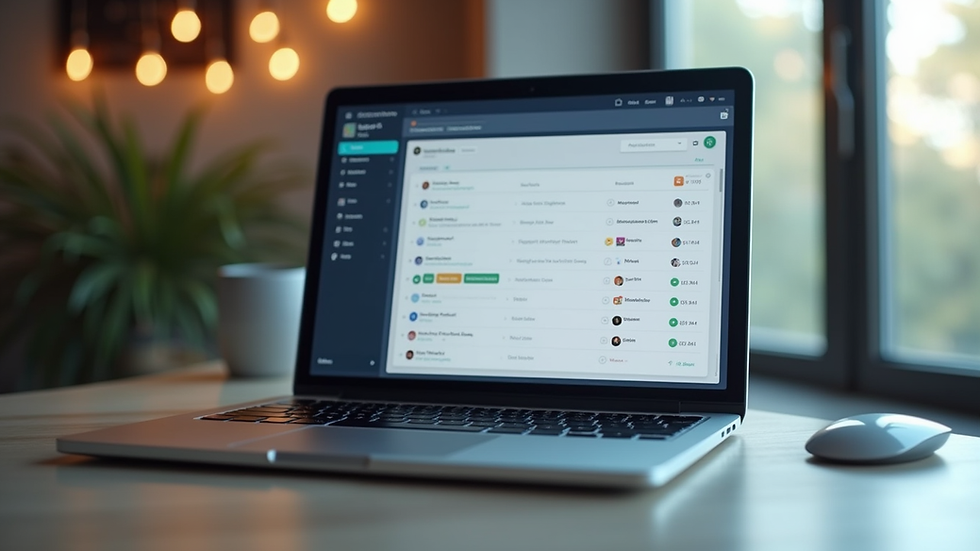
Using digital mental load tracking tools has changed how I approach my busy days. These tools help me stay organized without feeling overwhelmed. I can quickly jot down tasks, set reminders, and track progress all in one place.
For example, when planning a family event, I list every detail - from invitations to food to decorations. The software keeps everything visible and manageable. I don’t have to keep it all in my head, which reduces stress and frees me to enjoy the process.
Another benefit is the ability to sync across devices. Whether I’m at work, home, or on the go, I have my mental load with me. This constant access means I never miss a beat.

Building a Sustainable Routine with Mental Load Tracking Software
The key to success is consistency. Using mental load tracking software once or twice won’t solve your challenges. You need to make it a habit.
Start small. Spend 5 minutes each morning or evening updating your list. Over time, this will become second nature. You’ll notice your mind feels lighter and your days run smoother.
Pair this habit with other self-care practices. Take breaks, set boundaries, and ask for help when needed. Mental load tracking software is a tool, not a cure-all. It works best when combined with a balanced lifestyle.
Remember, the goal is to reclaim your capacity and lead with clarity. By managing your mental load effectively, you create space for what truly matters.
Taking Control of Your Mental Load Today
You don’t have to carry everything alone. Mental load tracking software offers a practical way to lighten your mental burden. It helps you organize, prioritize, and delegate with confidence.
Start by choosing a tool that fits your needs. Then, commit to using it daily. Capture your tasks, set priorities, and review your progress regularly. You’ll find yourself more focused, less stressed, and better equipped to handle your responsibilities.
Empower yourself to carry less and live more fully. Your productivity and peace of mind will thank you.
Until next time, carry a litte less.


Comments